
Estate Planning with Blended Families
Guardianship and the Rights of Individuals with Intellectual and Developmental Disabilities
June 11, 2025Medicaid Coverage for Nursing Home Care
June 11, 2025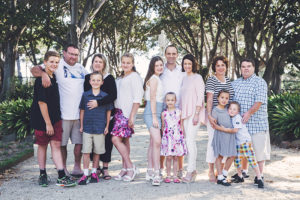 Estate planning is essential for all families, but it becomes especially important and complex in blended families. A blended family typically includes spouses with children from previous relationships, and thoughtful planning is required to ensure that everyone’s needs and expectations are met while avoiding conflict.
In traditional families, assets are often left directly to a surviving spouse and then to children. In blended families, this approach may unintentionally disinherit children from a prior marriage. For example, if a parent leaves everything to their new spouse, the surviving spouse may later change their will and leave assets only to their biological children, cutting out stepchildren entirely.
To prevent such situations, blended families should consider estate planning tools like trusts. A Qualified Terminable Interest Property (QTIP) trust, for example, allows a surviving spouse to receive income from the estate during their lifetime, while preserving the principal for the deceased’s children after the spouse passes. This ensures support for the spouse and inheritance for the children.
Clear and open communication is also crucial. Discussing intentions and decisions with all family members can reduce surprises and disputes later. Naming an impartial trustee or executor—someone outside the family—may also help manage the estate fairly and avoid favoritism.
Prenuptial or postnuptial agreements can clarify ownership of assets before or after remarriage, providing additional clarity in the estate plan. Powers of attorney and healthcare directives should also be updated to reflect current relationships and preferences.
Ultimately, estate planning in a blended family requires sensitivity, legal guidance, and careful planning. By being proactive and fair, families can honor relationships, avoid misunderstandings, and protect the financial futures of all loved ones involved.
